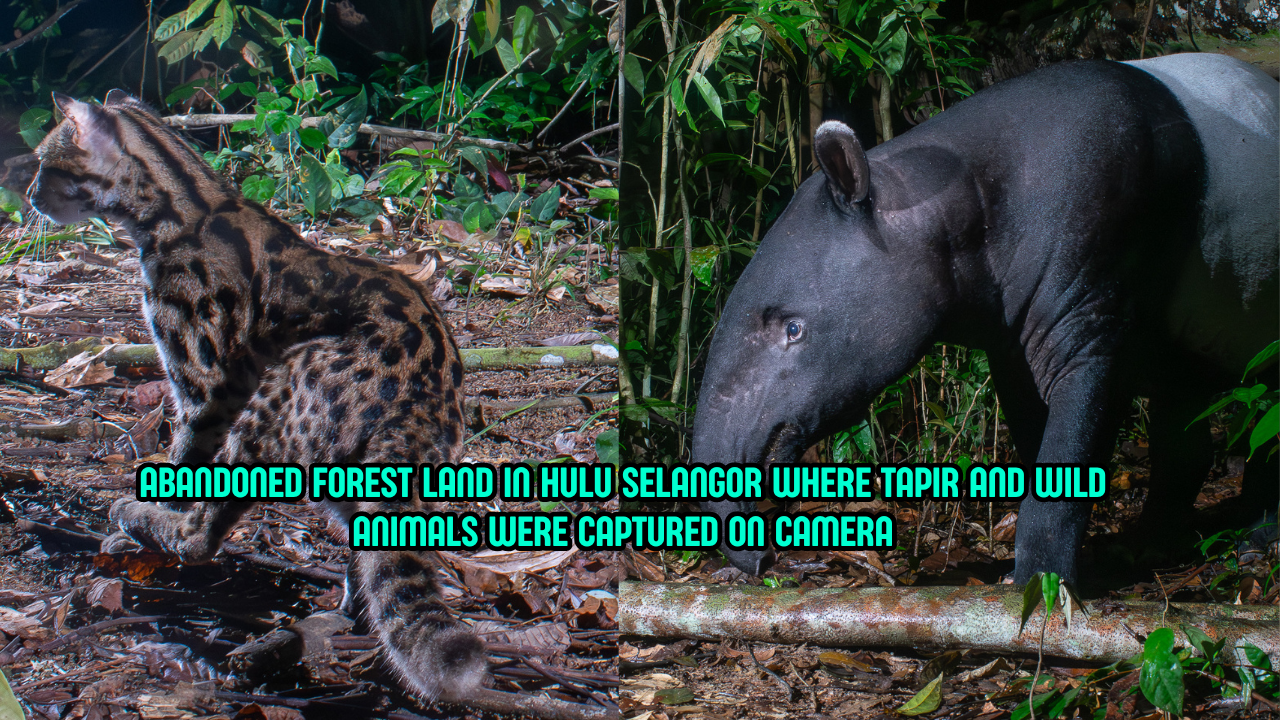
KL Man Buys Abandoned Land Less Than an Hour Away, Ends Up Sharing It With Tapirs & Wild Cats
For many Klang Valley residents, the long-term dream is simple: own a small piece of land, breathe cleaner air, and escape the city without moving too far away. For 45-year-old Kuala Lumpur resident Shariff Mohamad, that dream became reality when he purchased a three-acre plot of abandoned land in Hulu Selangor, just 40 to 45 minutes from his home.
What he did not expect was how quickly nature would remind him that the land was never truly empty.
A Retirement Dream Rooted in Conservation
Shariff did not buy the land with commercial development in mind. From the beginning, it was meant to be both a personal retreat and a long-term retirement plan, with conservation playing a central role.
After years of searching, he found a plot that fit both his budget and values. The land sits beside a large network of forest reserves forming part of Selangor State Park, making its ecological value immediately apparent.
Being less than an hour away from Kuala Lumpur also meant the land would not be neglected. Shariff could visit frequently, even for short trips, rather than leaving it idle.
Previously an abandoned orchard, the land had already begun rewilding on its own. To Shariff, that natural regrowth was a strength, not a drawback.
From Impenetrable Jungle to Gentle Trails
During his first visit with his wife and a property agent, Shariff barely explored beyond the edge.
Dense undergrowth, uneven slopes and the absence of paths made it difficult to move more than 20 metres into the land. Over time, he slowly carved out narrow trails by hand, following old terraces and intentionally keeping his footprint minimal.
Using only a parang, he built a small network of paths that now allows him to navigate most of the property. Trees are tagged, mapped digitally, and gradually becoming familiar as the forest grows alongside his understanding of it.
Camera Traps Reveal the Real Landowners
Out of curiosity, Shariff installed camera traps in June 2025. At first, the footage showed macaques, which he expected.
Then came the moment that truly surprised him.
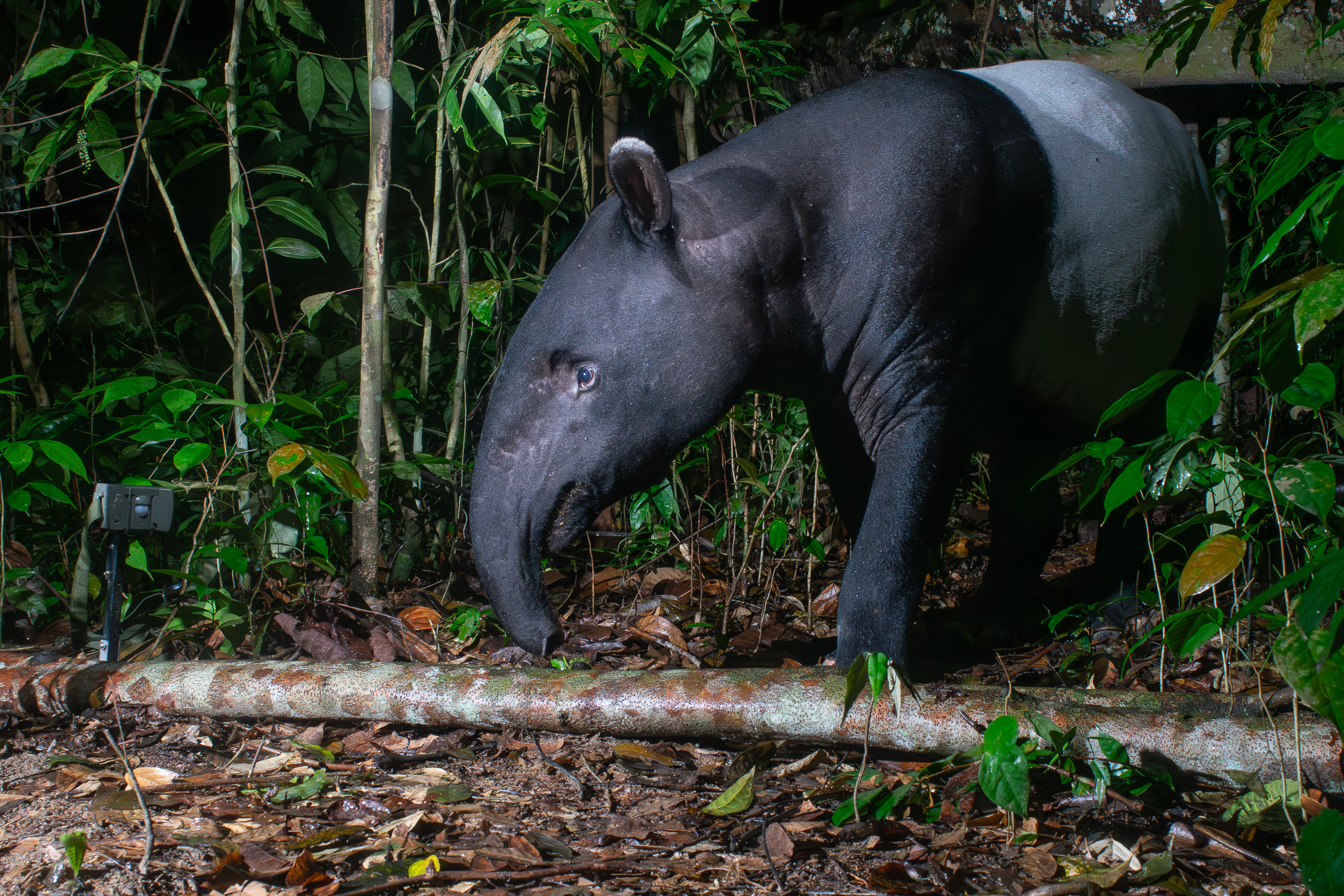
A Malayan tapir appeared clearly on camera, pausing long enough to be captured in multiple sharp images. The animal lingered for nearly a minute, its face clearly in frame.
For Shariff, the discovery was surreal. Despite knowing tapirs existed in the wider forest area, he never expected one to walk directly into view on his land.
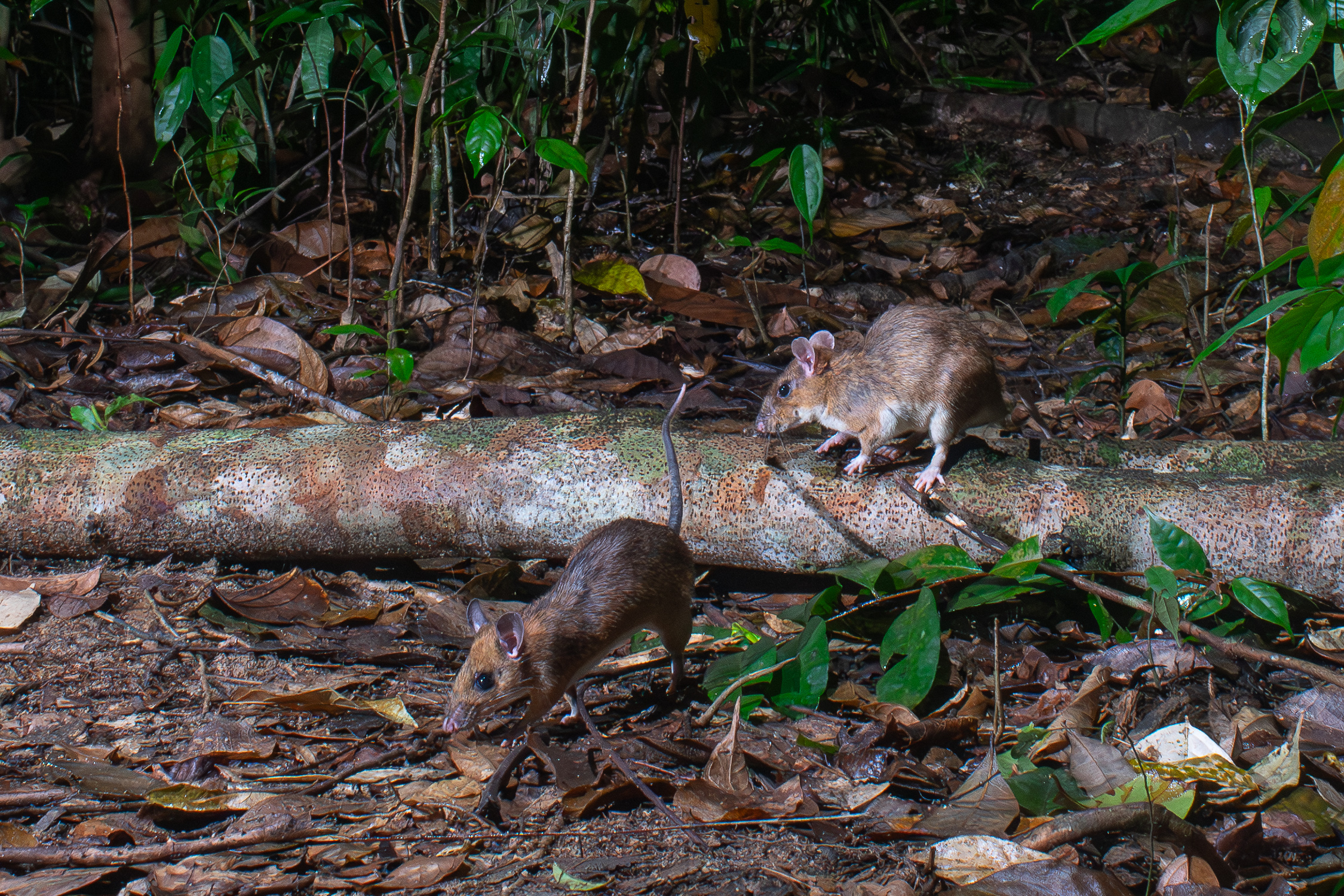
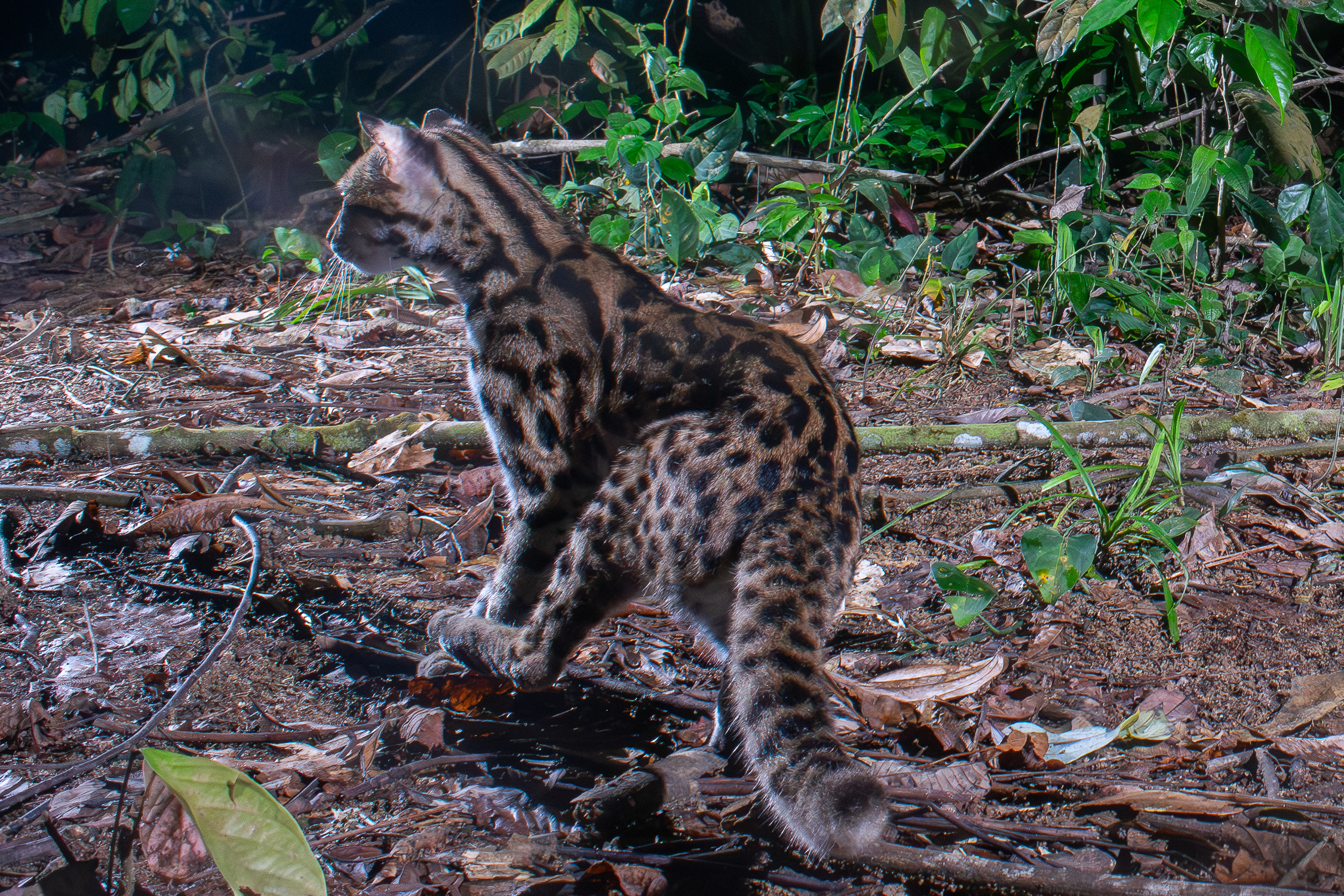
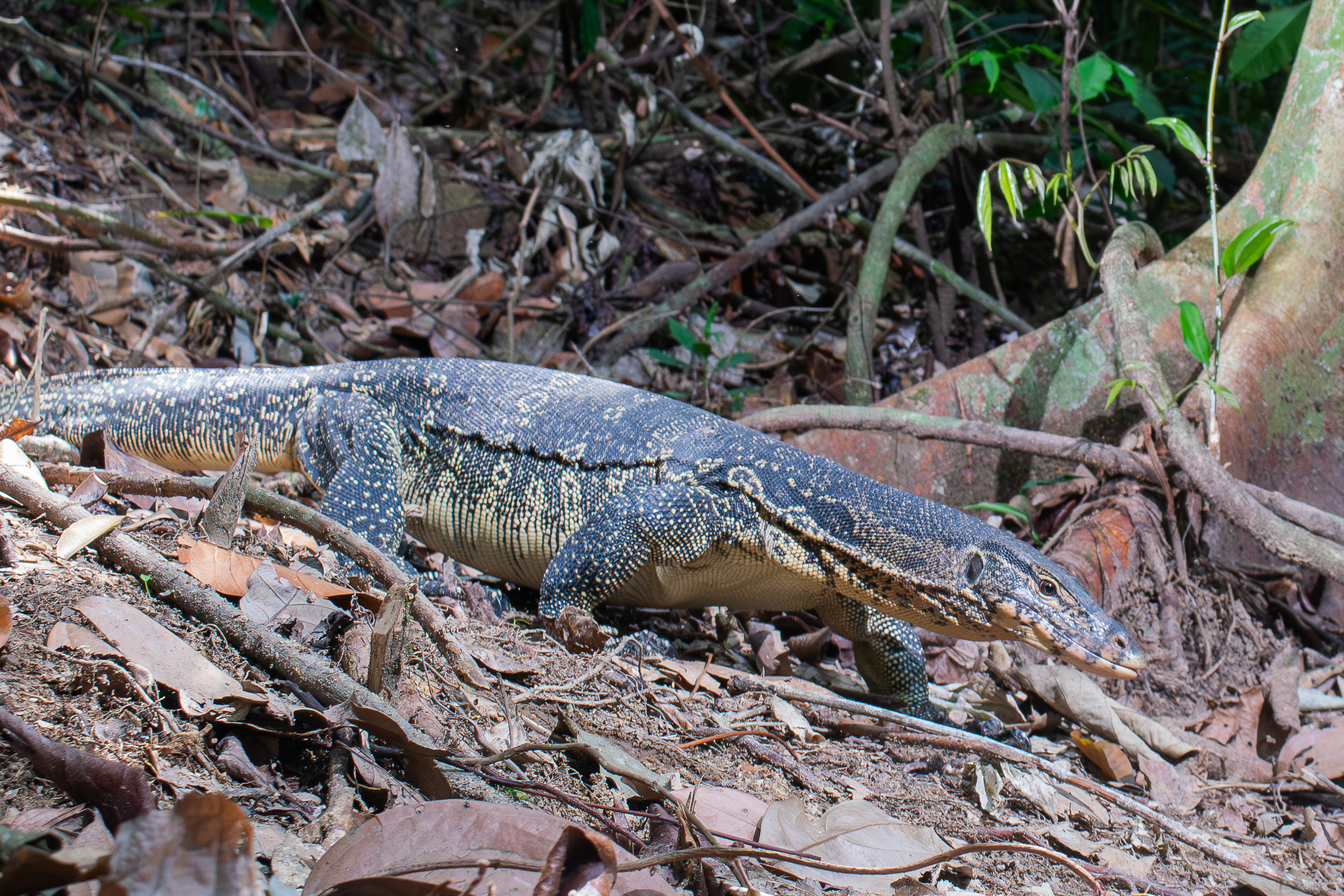
Further footage revealed even more biodiversity, including leopard cats, civets, yellow-throated martens, wild boars and at least 16 mammal species in total.
Why Wildlife Keeps Returning
According to Shariff, food availability plays a major role.
Wild fruit trees such as figs, tarap and rambai grow naturally across the land, while nearby orchards add to the attraction. While water and shelter are generally abundant in Malaysian forests, consistent food sources encourage animals to return repeatedly.
Different species appear at different times. Monkeys dominate the daytime hours, while leopard cats and civets move through at night. Wild boars, as Shariff jokingly notes, appear whenever they feel like it.
Rewilding Without Control
Shariff does not consider himself an expert. His approach to rewilding focuses on restraint rather than intervention.
Most of the forest recovery is happening naturally. His role is limited to removing invasive plants, planting native species and ensuring the land remains forest rather than being converted into agriculture.
In his view, the most significant conservation act was purchasing the land itself, effectively protecting it from future development.
Small Land, Bigger Meaning
Shariff does not see his three-acre plot as a solution to deforestation. Instead, he views it as part of a larger picture.
If more individuals, landowners and communities protect even small patches of forest, the collective impact could be meaningful for biodiversity corridors and wildlife survival.
In one of the world’s most biodiverse countries, he believes conservation does not always start with large-scale projects. Sometimes, it starts with letting nature reclaim what was already hers.
And sometimes, that happens just 45 minutes from the city.
DISCLAIMER: NasiLemakDaily is not responsible for any comments written by readers. Please think carefully before posting. We are also unable to monitor every comment posted. All comments are your own responsibility.